Showing posts with label 1 - The Nature and Variety of Living Organisms. Show all posts

Sunday, June 25, 2017

1.1: Understand that living Organisms share the following Characteristics:

LETTER
DESCRIPTION
MOVEMENT
All living organisms move
RESPIRATION
All living organisms respire
SENSITIVITY
All living organisms respond to their environment
GROWTH
All living organisms grow and develop
REPRODUCTION
All living organisms reproduce
EXCRETION
All living organisms excrete waste
NUTRITION
All living organisms require nutrition
CONTROL
All living organisms control internal conditions

1.2: Describe the Common Features shared by Organisms: Plants, Animals, Fungi and Protoctists


GROUPS OF ORGANISMS
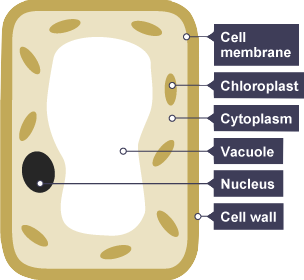
PLANTS
s
  • Multicellular organism
  • Stores carbohydrates as Starch
  • Structure: 
  • Nucleus - membrane-bound organelle containing chromosomes
  • Chloroplast - protein to carry out Photosynthesis 
  • Mitochondria - protein to carry out cell respiration 
  • Cytoplasm - fills the cell to facilitate chemical reactions and holds organelles in place
  • Vacuole - storage organelle for Water and dissolved substances 
  • Cell membrane - phospholipid bilayer that controls movement of substances into and out of cell
  • Cell wall - made of Cellulose to protect and maintain the shape of cell 

  • Example: Herbaceous Legume


small.png
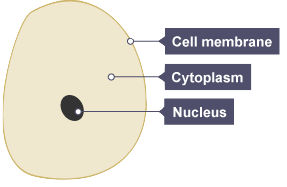
ANIMALS
s
  • Multicellular organism
  • Stores carbohydrates as Glycogen
  • Has nervous coordination to move from one place to another
  • Structure:
  • Nucleus - membrane-bound organelle containing chromosomes
  • Mitochondria - protein to carry out cell respiration 
  • Cytoplasm - fills the cell to facilitate chemical reactions and holds organelles in place
  • Cell membrane - phospholipid bilayer that controls movement of substances into and out of cell

s
  • Example: Mammals, Insects 


small-1.png
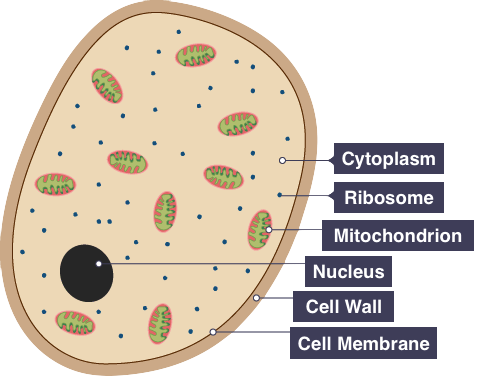
FUNGI
s
  • Both multicellular and unicellular
  • Stores carbohydrates as Glycogen
  • Organised into a Mycelium - thread-like structure called Hyphae that contains many Nuclei
  • Feeds by extracellular secretion - the release of digestive enzymes onto food to absorb organic products (saprotrophic nutrition)
  • Structure:
  • Nucleus - membrane-bound organelle containing chromosomes
  • Mitochondria - protein to carry out cell respiration 
  • Cytoplasm - fills the cell to facilitate chemical reactions and holds organelles in place
  • Cell membrane - phospholipid bilayer that controls movement of substances into and out of cell

  • Example: Mucor / Yeast


large-1.png
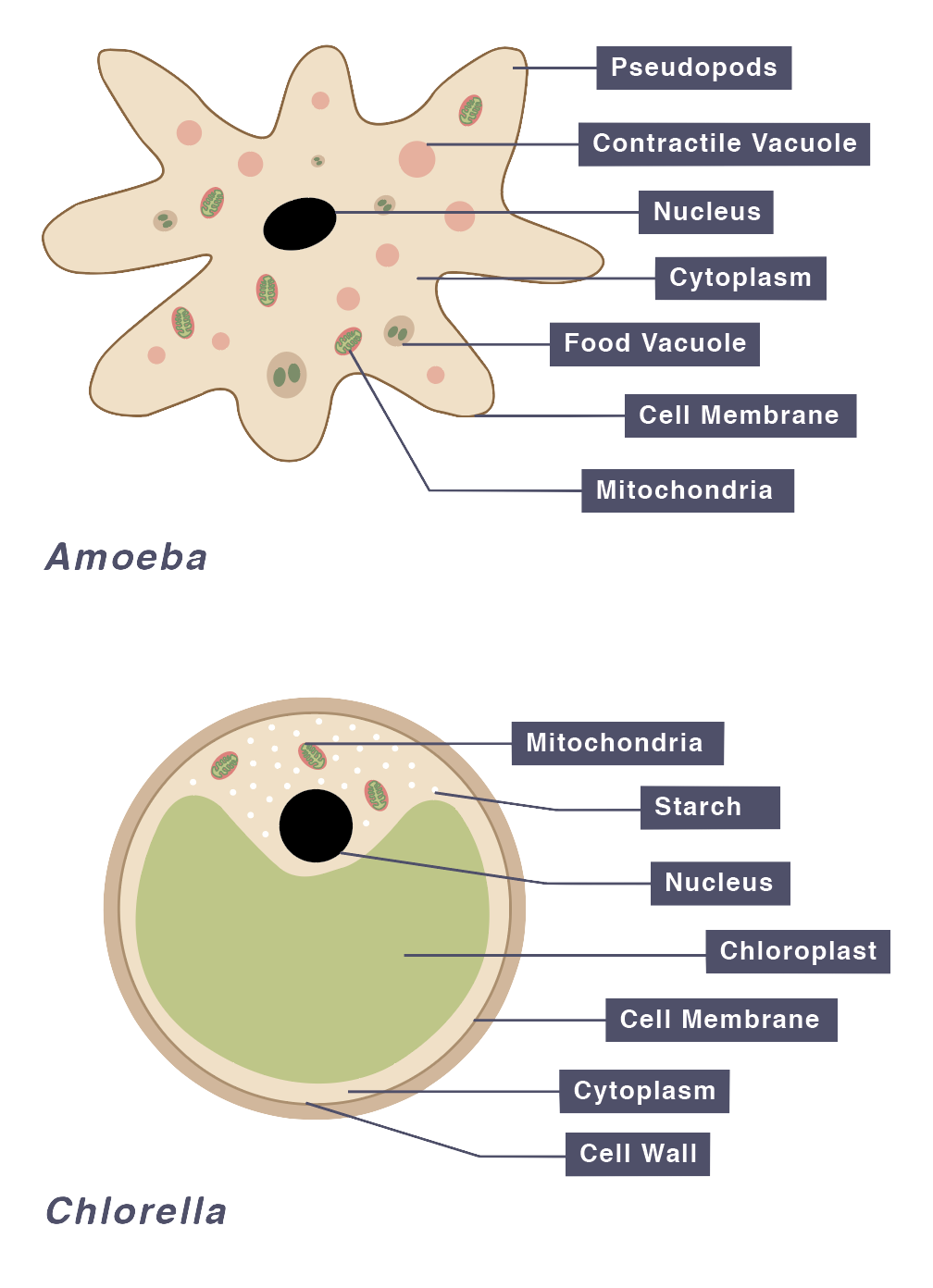
PROTISTS
s
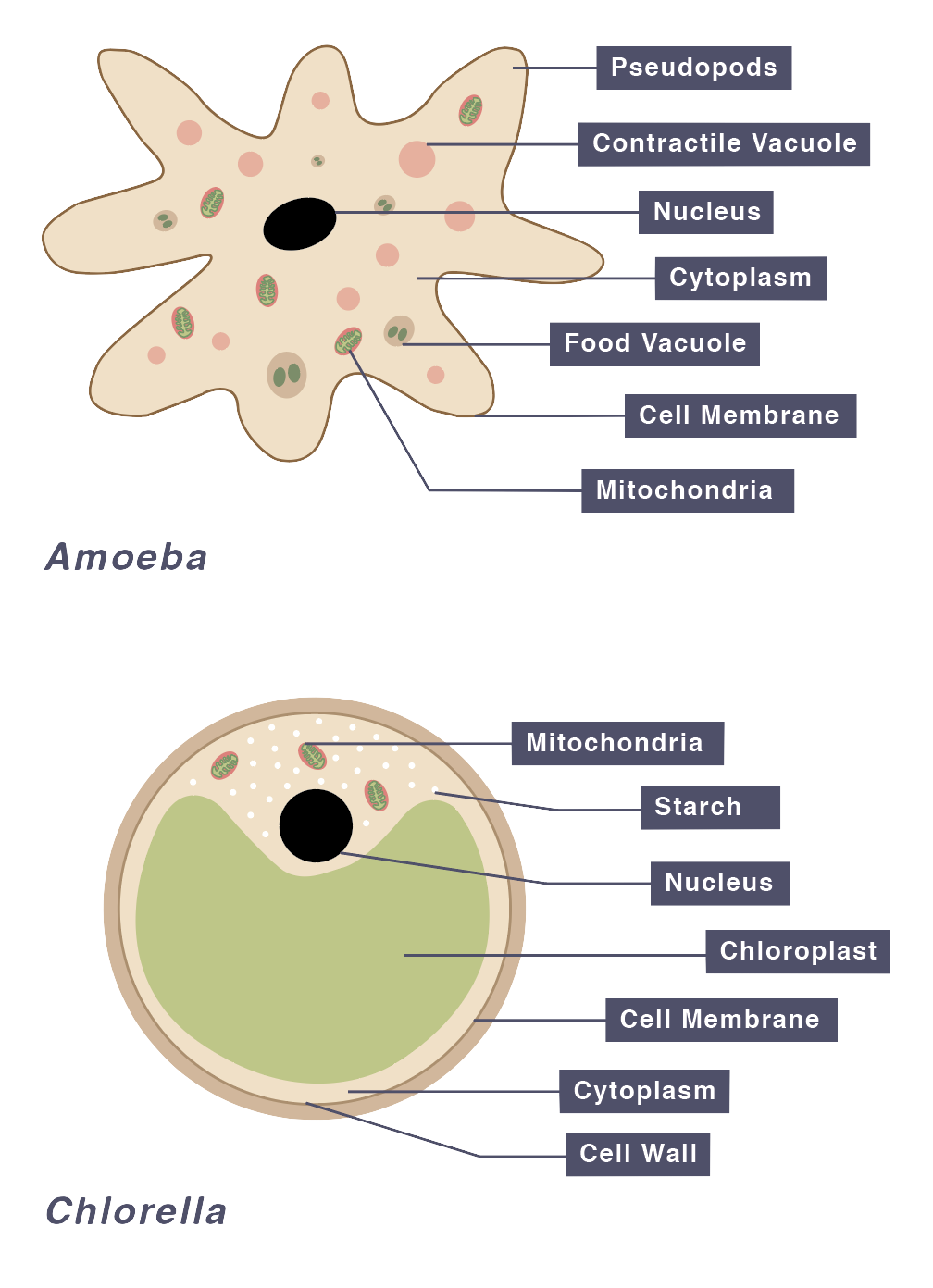
  • Microscopic unicellular organism
  • Structure of protists are varied
  • Example: Amoeba (animals)
  • Chlorella (plants)

1.4: Understand the Term Pathogen and Know that Pathogens May Include Fungi, Bacteria, Protoctists or Viruses


COMMON PATHOGENS
FUNGI
s
  • Both multicellular and unicellular
  • Stores carbohydrates as Glycogen
  • Organised into a Mycelium - threat-like structure called Hyphae that contains many Nuclei
  • Feeds by extracellular secretion - the release of digestive enzymes onto food to absorb organic products (saprotrophic nutrition)
  • Structure:
  • Nucleus - membrane-bound organelle containing chromosomes
  • Mitochondria - protein to carry out cell respiration 
  • Cytoplasm - fills the cell to facilitate chemical reactions and holds organelles in place
  • Cell membrane - phospholipid bilayer that controls movement of substances into and out of cell

  • Example: Mucor / Yeast


large-1.png

BACTERIA
s
  • Unicellular organism
  • Feeds on living or dead organisms
  • Structure:
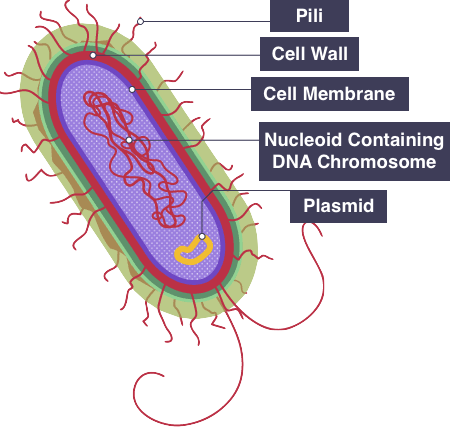
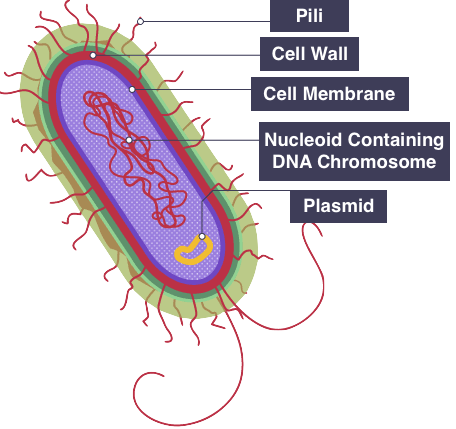
  • Nucleoid - single circular strand of DNA
  • Plasmid - independent small circle of DNA
  • Plasma membrane - phospholipid bilayer that controls movement of substances into and out of cell 
  • Cell wall - made of Peptidoglycan to protect and maintain shape of cell 
  •  *Pili - protein filmanets that facilitates cell adhesion and conjugation 
  •  *70S Ribosomes - site of protein synthesis 
  •  *Flagellum - elongated inflexible structure that rotates to move cell

  • Example:
  • Lactobacillus Bulgarcius (rod-shaped bacterium used in production of Yoghurt)
  • Pnemococcus (spherical bacterium that causes Pneumonia)


large-2.png


PROTISTS
s
  • Microscopic unicellular organism
  • Structure of protists are varied
  • Example: Amoeba (animals)
  • Chlorella (plants)


VIRUS
s
  • Non-living organism
  • Parasitic as they can only reproduce inside living host cells
  • Structure:
  • Capsid - contains genetic material (DNA or RNA)
  • Viral Envelope - made from fatty lipid molecules taken from host cells to avoid host immune system
  • Surface Protein - proteins that help recognise and bind to host cells for infection

  • Example:
  • Tobacco Mosaic Virus (plant virus that causes discolouration of the leaves of tobacco plants)
  • HIV (human virus that causes AIDS)


1.3: Describe the Common Features Shown by Prokaryotic Organisms such as Bacteria

BACTERIA: Microscopic organism that causes diseases

GROUPS OF ORGANISMS
BACTERIA
s
  • Unicellular organism
  • Feeds on living or dead organisms
  • Structure:
  • Nucleoid - single circular strand of DNA
  • Plasmid - independent small circle of DNA
  • Plasma membrane - phospholipid bilayer that controls movement of substances into and out of cell 
  • Cell wall - made of Peptidoglycan to protect and maintain shape of cell 
  •  *Pili - protein filmanets that facilitates cell adhesion and conjugation 
  •  *70S Ribosomes - site of protein synthesis 
  •  *Flagellum - elongated inflexible structure that rotates to move cell

  • Example:
  • Lactobacillus Bulgarcius (rod-shaped bacterium used in production of Yoghurt)
  • Pnemococcus (spherical bacterium that causes Pneumonia)


large-2.png